


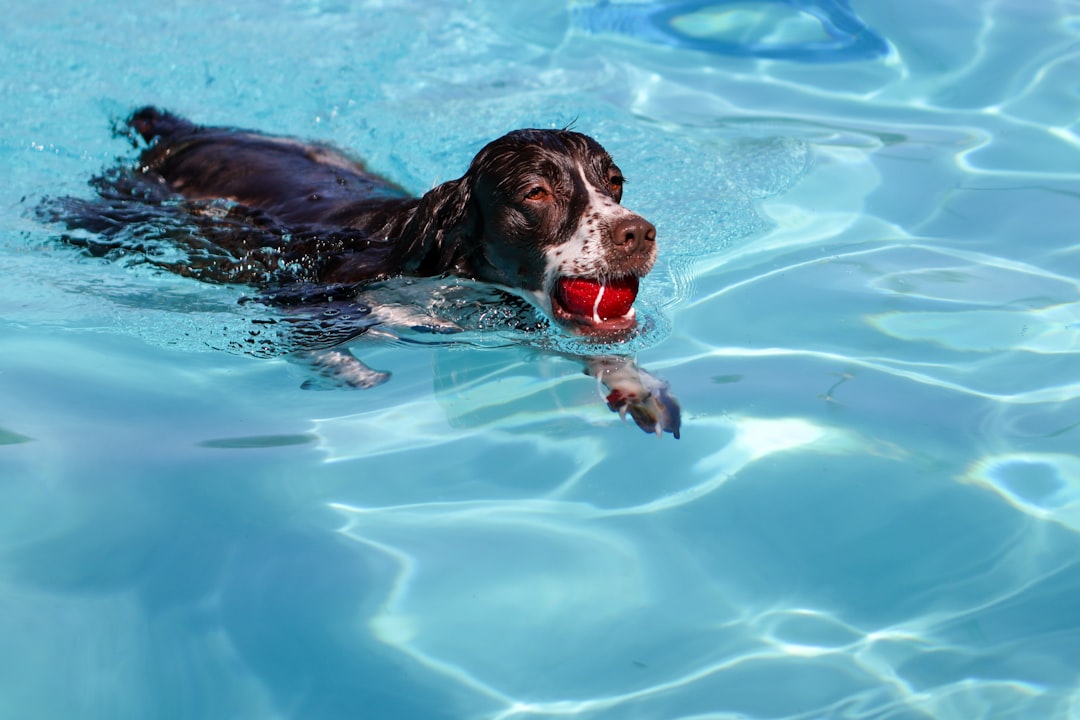
How Does Having Pets Affect Pool Care in Saratoga Springs, NY Homes?
Pools can be a popular feature for families with pets in Saratoga Springs, NY, especially during the region's warm summer months. However, allowing dogs or other animals to swim or play in and around backyard pools introduces a set of maintenance challenges. Pet hair, dander, occasional accidents, and muddy paws can change water quality and strain pool equipment more than human use alone.
The relatively high proportion of single-family homes and pet ownership in the city means this is a routine consideration for many local households. Comparing a typical pet-inclusive pool to a pet-free one, owners should expect increased cleaning needs and a greater focus on routine monitoring.
What Pool Chemicals Are Safe for Pets?
Standard chlorine levels used for human-safe pools are typically considered low-risk for dogs and most common household pets. However, the chemistry must be carefully balanced:
- Maintain the free chlorine level between 1-3 ppm, and pH between 7.2-7.8.
- Avoid over-shocking the pool or using specialty algaecides or clarifiers not labeled for pet safety.
- Some pets, particularly those with sensitive skin or health conditions, may react to higher concentrations, so err on the lower end of the safe range.
- Saltwater pools are sometimes perceived as more pet-friendly, but they also generate chlorine, and the same careful balancing is needed.
Small pets, such as cats or rabbits, generally should not enter pools due to drowning risks and exposure to pool chemicals.
How Can Pet Hair and Dander Be Managed in Pools?
Pet fur is especially challenging for pool owners. In Saratoga Springs, seasonal shedding from breeds suited for the local climate can be significant.
- Brush dogs thoroughly before allowing them into the pool to reduce loose hair.
- Clean the skimmer basket frequently—daily during periods of heavy use.
- Consider a secondary pool cover or dog-specific ramp to reduce how much hair and dirt enter the water.
- Robotic or high-efficiency pool vacuums may be more effective than standard models for removing fine pet hair from the water and pool bottom.
Pets will also introduce body oils and saliva, which can cloud water or lead to faster buildup of contaminants. Consistent monitoring of water clarity and filter pressure is advised.
Are There Health Risks for Pets Using Backyard Pools?
Properly managed pools are generally safe for dogs, with some caveats:
- Swallowing pool water should be minimized, especially when freshly shocked or after accidental spills of pool chemicals.
- Dogs with ear, skin, or eye conditions may be prone to irritation. Rinse pets with fresh water after swimming—even in very clean pools—to reduce risk of skin or ear infections.
- Prevent access to pool storage areas where chemicals are kept; dogs may be attracted to the smell or taste.
- Encourage pets to use a designated entry/exit, like a ramp or stairs, to avoid panic or possible drowning.
Most accidental pool exposures for pets in the city can be resolved safely if prompt monitoring and basic first aid are available.
How Does the Saratoga Springs Climate Affect Pet-Friendly Pool Maintenance?
Saratoga Springs has a distinct pool season, generally from late spring through early autumn. This means most pool owners perform seasonal start-up and winterization routines:
- In spring, remove winter covers carefully—check for wild animal nesting or trapped small pets before removing.
- Pollen, local flora, and yard mud can be tracked in by pets during wet stretches.
- During late summer, backyard wildlife may try to access pool water, so securing fencing is necessary for both safety and local code.
Seasonal temperature swings can also affect how quickly bacteria and algae multiply, particularly with organic debris from pets. Regular testing and prompt correction of imbalances are even more important in this climate than in more arid regions.
What Are the Best Ways to Reduce Pet Waste and Accidents Around Pools?
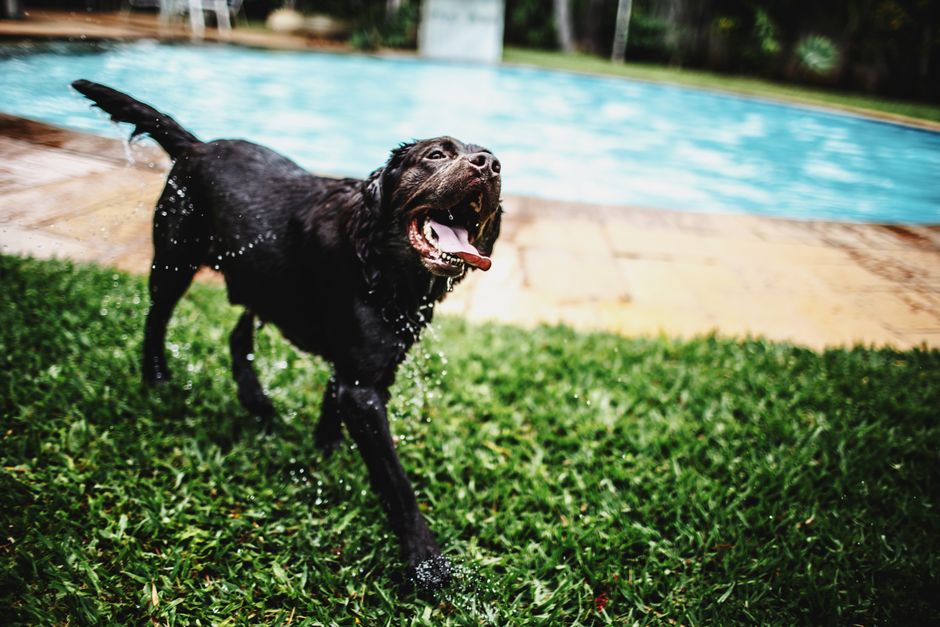
Even well-trained dogs may have the occasional accident near the pool area. Handling waste quickly is essential:
- Create a routine for your pet to use the bathroom before pool time.
- If an accident occurs in the pool, evacuate swimmers and remove as much solid matter as possible, then test chemical levels. Often, a temporary increase in chlorine and running the filter for several hours can resolve the issue.
- Disinfect deck and patio areas with pet-safe cleaners to avoid tracking waste into the water.
Understanding that Saratoga Springs homes often have backyard green space, consider installing soft landscaping or artificial turf near the pool to both encourage proper pet behavior and limit direct contact with the water.
Common Misconceptions Among Area Pool Owners With Pets
Some households expect that pet use will not affect water clarity or pool chemicals as long as the pool is kept generally clean. In reality, a few dog swims can be equivalent to several human swimmers in terms of both hair and organic material load. Another misconception is that cats or other small pets are naturally wary of water and never enter pools. Curious animals can and do fall in, so always supervise whenever the pool is open. Additionally, some assume that "natural" or "chemical-free" pools are automatically safe for all pets, but these systems also require careful management to prevent the spread of bacteria or parasites.
Local Regulations, Wildlife, and Responsible Ownership
Saratoga Springs pool owners are expected to follow safety codes, including secure fencing and pool covers when the pool is not in use. These measures protect both pets and local wildlife, particularly during the off-season when pools are not closely monitored. Wild animals such as deer or raccoons may be drawn to open water, and household pets should be kept from chasing or interacting with them in the pool area. Responsible ownership includes registering pool-using pets where appropriate and making neighbors aware of a pet’s presence—sometimes an overlooked aspect that can be important in densely populated areas of the city with shared fences and sightlines.
What Practical Steps Can Be Taken for a Pet-Friendly, Low-Maintenance Pool?
Consistent routine offers the greatest benefit for pool owners with pets:
- Schedule time to brush pets before every swim session.
- Adapt the frequency of pool vacuuming and skimmer cleaning based on pet activity, not just the season.
- Refresh water chemistry checks after heavy pet use.
- Store chemicals securely and out of pets’ reach.
- Rinse pets after swimming and keep deck areas free of waste or loose debris.
A little extra attention can help area households ensure both enjoyable pool seasons and the well-being of pets.


